The 12 Best Citation Analysis Options for Optimizing AI Search in 2025
Getting seen in Google used to be the whole game. Now, your brand's narrative is being written, with or without you, inside ChatGPT, Perplexity, and Google's AI Overviews. These AI engines are the new tastemakers, and their currency isn't just links; it's citations. They pull information from sources they deem trustworthy, weaving it into definitive answers that millions of users see. If you're not one of those cited sources, you're effectively invisible.
This isn't about chasing algorithms with old SEO tricks. It's about Generative Engine Optimization (GEO), the new frontier of digital visibility where trust and authority are paramount. To win here, you need to know who the AI trusts, where your competitors get mentioned, and how to strategically build your own authority in this new ecosystem. Forget guesswork and manual searches that barely scratch the surface. You need a toolkit built for this specific challenge.
This list is your arsenal. We’re breaking down the 12 best citation analysis options for optimizing AI search, from dedicated GEO platforms that map the entire citation landscape to specialized tools that help you build the trust signals AI craves. Each entry includes screenshots, direct links, and a no-fluff breakdown of what it does best and for whom. Let's find out who's talking about you and how to get your name in the AI's mouth.
1. Kruxel
Kruxel isn't just another analytics tool; it's a complete operating system for getting your brand cited within generative AI responses. Designed for marketers who need to move beyond theory and into action, the platform demystifies the black box of AI search with its Generative Engine Optimization (GEO) framework. It provides a clear, actionable roadmap to influence your narrative across major AI platforms like ChatGPT, Perplexity, and Google AI Overviews.
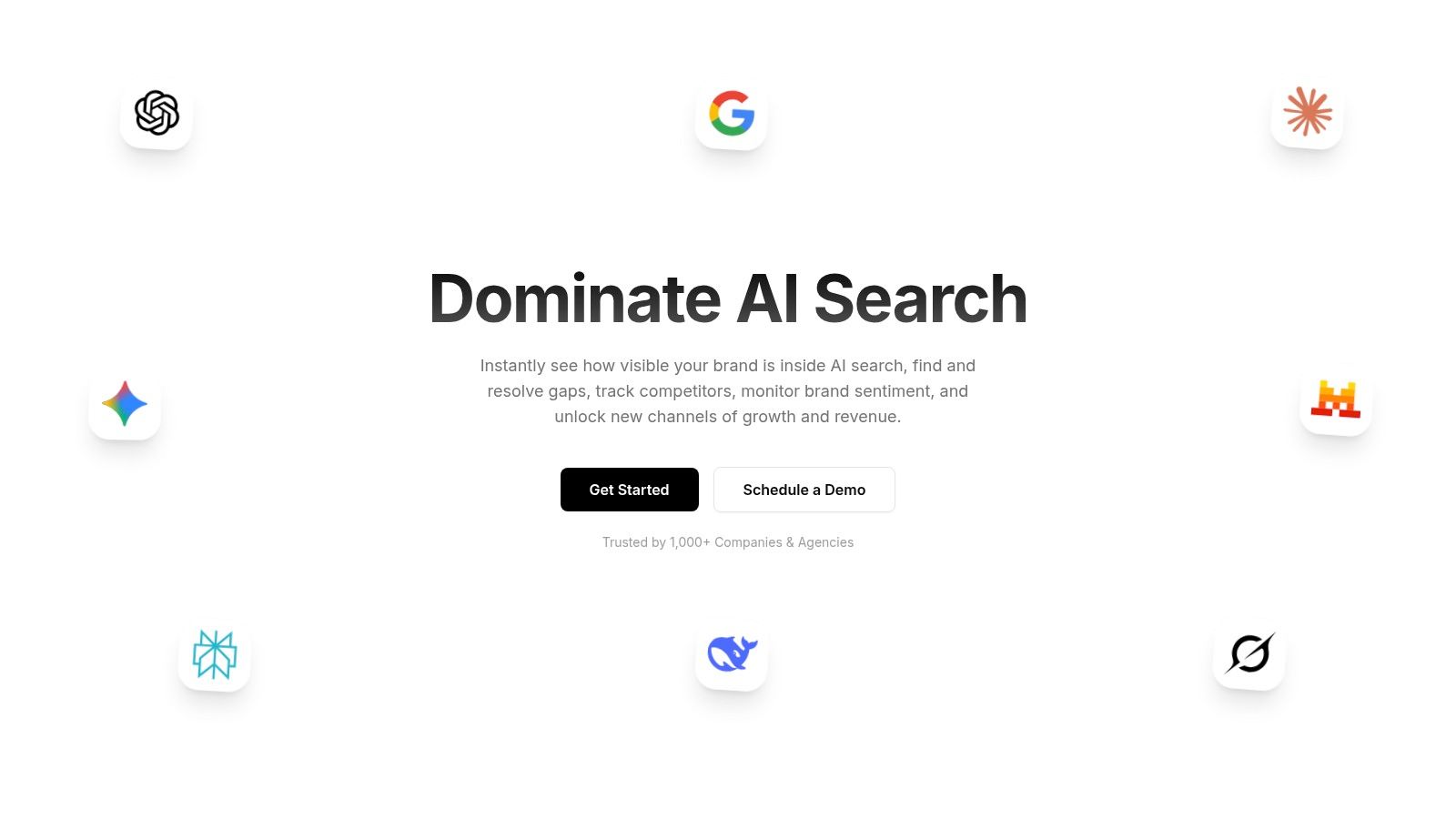
What truly sets Kruxel apart is its end-to-end workflow. It doesn't just show you where you're mentioned (or worse, ignored); it maps the exact domains the AI trusts for specific queries. This allows you to surgically prioritize your outreach and content strategy, focusing only on the sources that will actually move the needle.
Standout Features & Use Cases
Kruxel’s platform is one of the most comprehensive best citation analysis options for optimizing AI search because it translates data directly into execution.
- AI Trust-Mapping: Instead of guessing, you can see which specific industry blogs, review sites, or media outlets are being cited as authorities for your target topics. This transforms your PR and link-building from a spray-and-pray effort into a precision-guided campaign.
- Automated Competitor Discovery: The tool automatically surfaces "invisible competitors" that are being cited in your place, even if they aren't your traditional SEO rivals. This is crucial for understanding the true competitive landscape in AI search.
- "Rank-Ready" Content Generation: Kruxel includes a content creation and optimization suite designed specifically to produce articles that are structured and written to be cited by AI. It provides actionable fixes you can implement in hours, not weeks.
Access & Pricing
Kruxel offers scalable plans suitable for various needs, from solo consultants to large enterprises.
- Starter: $89/month for 1 website and 50 prompts.
- Professional: $199/month for 2 websites and 150 prompts.
- Enterprise: $499+/month for custom-scaled solutions.
Support options are tiered accordingly, ranging from email to a dedicated Slack channel for Enterprise clients.
Visit Kruxel at https://www.kruxel.com
2. Kruxel
Imagine you could peek behind the AI curtain and see exactly what sources ChatGPT or Perplexity are reading before they answer a user's prompt. That’s essentially the superpower Kruxel offers. Instead of retrofitting old-school SEO tools for a new-school problem, Kruxel is purpose-built for Generative Engine Optimization (GEO). It’s designed from the ground up to pinpoint why and how AI engines cite specific domains, giving marketers a clear roadmap to earning those coveted mentions.
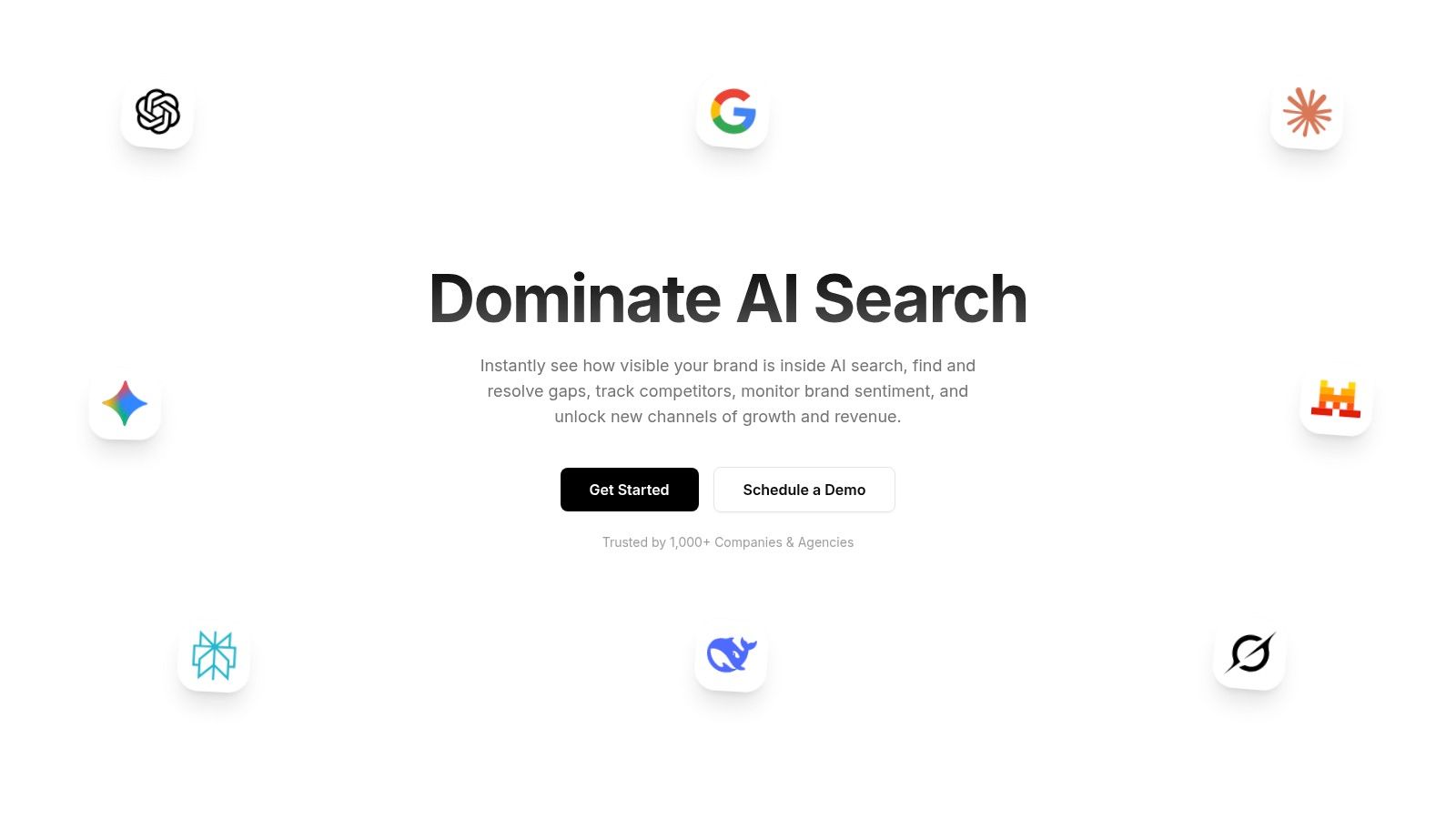
This platform isn't just for passive monitoring; it's an aggressive action engine. Kruxel provides daily tracking across more than a dozen AI channels, including the big players like Google AI Overviews. It shows you the exact AI-generated responses for your target topics and then maps out the domains those engines trust most. This transforms your outreach from a guessing game into a data-driven strategy.
The Good, The Bad, and The AI-Generated
What makes Kruxel one of the best citation analysis options for optimizing AI search is its direct, actionable workflow. You can identify gaps where competitors are being cited, then use its "rank-ready" article generator and content optimization tools to create or fix assets designed to win that citation back.
- Pros: It’s a dedicated GEO platform, not an SEO tool with an AI feature tacked on. The workflow is incredibly clear: see the AI response, identify the cited sources, and get AI-assisted help to fix your content.
- Cons: As a newer tool, integrating it may require adjusting your team's existing content and SEO processes. Also, the content generation features need a human touch; you'll still need editorial oversight to ensure brand voice and accuracy.
Link: Kruxel
3. Semrush
If you’re already living in the world of SEO, Semrush is the familiar, powerful battleship now being retrofitted with AI-focused cannons. Instead of making you learn an entirely new platform, Semrush integrates Generative Engine Optimization (GEO) directly into the workflows you already know and trust. It connects the dots between a missing AI citation and a technical SEO issue, like a misconfigured robots.txt file that’s blocking AI crawlers.
Its approach is less about isolated AI tracking and more about holistic digital presence. The platform’s AI Visibility Toolkit benchmarks your brand mentions across major AI systems, discovers the prompts where competitors are winning, and reports which of your pages are being cited. The magic happens when it ties that data back into its legendary Site Audit tool, flagging the specific technical and on-page issues preventing your content from being seen and cited by AI.
The Good, The Bad, and The AI-Generated
What makes Semrush one of the best citation analysis options for optimizing AI search is its seamless integration into a comprehensive SEO suite. You don’t have to choose between optimizing for traditional search and AI search; Semrush lets you do both from one command center. The free AI Search Visibility Checker is a fantastic entry point for a quick diagnostic on how you're showing up.
- Pros: It powerfully integrates AI visibility with your core SEO strategy, from keyword research to technical audits. It’s an enterprise-grade solution backed by a trusted name with continuous R&D.
- Cons: The AI Visibility Toolkit is a paid add-on, with limits on tracked domains and prompts. Additionally, some of its AI data reporting updates on a weekly or monthly basis, which can feel slow compared to daily trackers.
Link: Semrush
4. Ahrefs
While many new tools are scrambling to decode AI search, SEO titan Ahrefs is leveraging its massive data infrastructure to bridge the gap between traditional search and the new AI frontier. It’s like having a seasoned scout who knows the old terrain but is also mapping the uncharted territory of AI Overviews. Ahrefs isn’t just adding a feature; it’s integrating AI citation data into its core, allowing you to see how often LLM citations align with top organic rankings.

The platform’s strength lies in its research-led approach. Using tools like the Cited Domains/Pages reports, you can pinpoint exactly where AI Overviews are referencing your brand, your competitors, or both. This transforms AI optimization from a vague concept into a tangible strategy. You can quantify the overlap between your SEO wins and AI mentions, helping you prioritize which content assets to defend or which new ones to create to fill citation gaps.
The Good, The Bad, and The AI-Generated
What makes Ahrefs one of the best citation analysis options for optimizing AI search is its ability to ground GEO in familiar, data-rich SEO context. It helps answer a critical question: "Does ranking #1 still matter for getting an AI citation?" By surfacing this data, Ahrefs enables teams to build a hybrid strategy that doesn’t abandon proven SEO practices while adapting for the generative age.
- Pros: Its insights are backed by one of the industry's most robust datasets. The platform seamlessly connects AI citation opportunities to traditional SEO workflows, making it a powerful tool for holistic search strategies.
- Cons: The AI-focused features are newer and still evolving. It's not a real-time, multi-LLM monitoring tool that captures the exact daily answers from various engines, focusing more on the bigger picture within Google's ecosystem.
Link: Ahrefs
5. Authoritas
For teams that need undeniable proof of what AI is saying about their brand, Authoritas is like a digital evidence locker. This established SEO platform has evolved to tackle the new AI search landscape by providing ground-truth visibility tracking. It combines direct UI crawling and API calls to capture what users actually see in Google AI Overviews, Bing Copilot, and other generative engines, complete with archival screenshots.
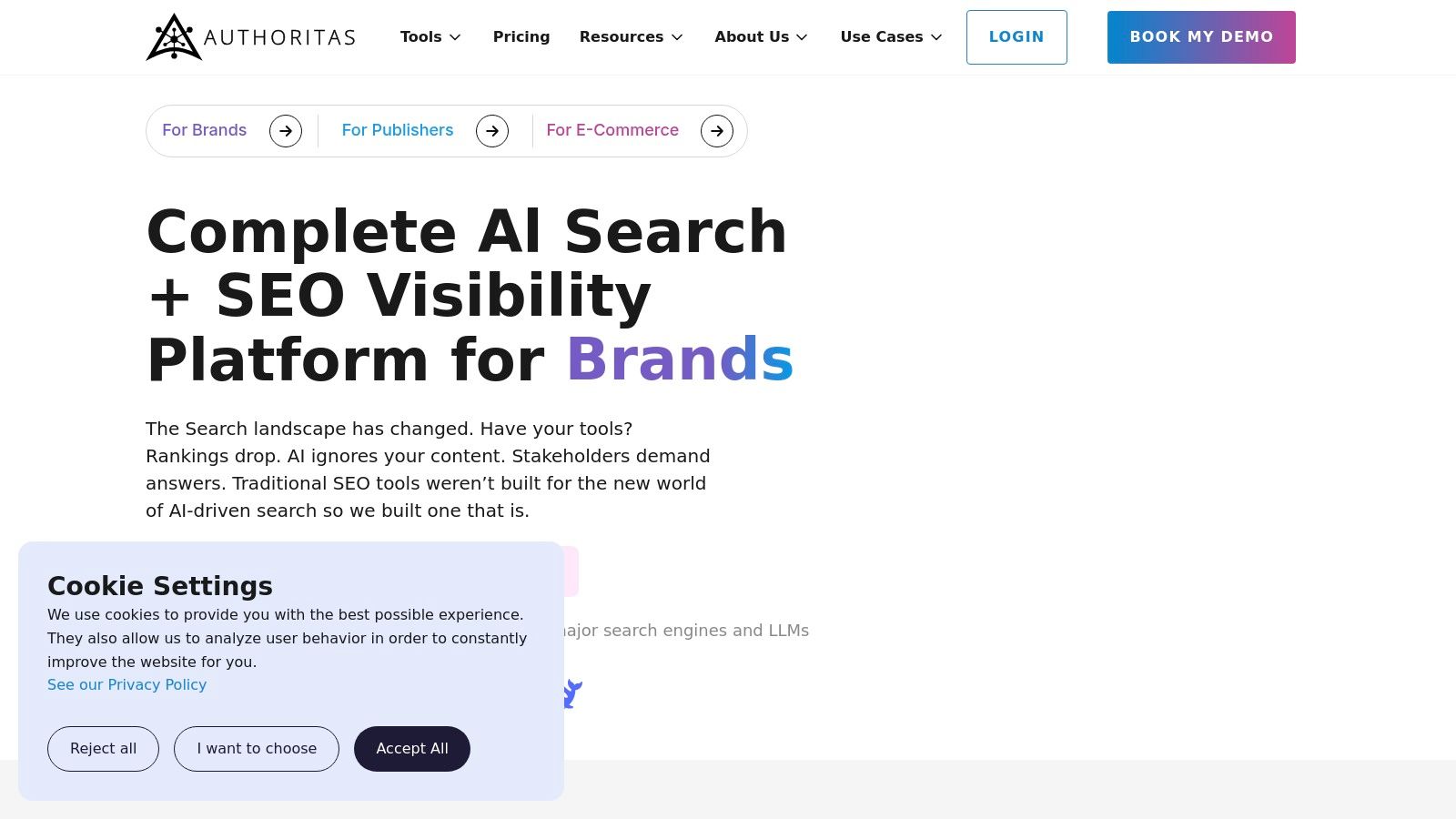
This isn’t just about seeing if you were mentioned; it's about building a historical record. Authoritas flags when an AI Overview is present for your tracked keywords and provides the visual proof, which is invaluable for reporting to leadership or analyzing shifts over time. Its robust data exporting capabilities and integrations with tools like Looker Studio and Power BI mean you can pipe this intelligence directly into your existing analytics dashboards for longitudinal analysis.
The Good, The Bad, and The AI-Generated
What makes Authoritas one of the best citation analysis options for optimizing AI search is its meticulous, evidence-based approach. While other tools might rely on a single data source, Authoritas cross-references data to provide a more reliable picture of your AI visibility, making it a trusted source for agencies and in-house teams who can't afford to be wrong.
- Pros: The ground-truth methodology using screenshots and SERP data provides solid evidence. It’s perfect for teams that need to track AI visibility across different locations and report on changes with verifiable proof.
- Cons: The platform’s power comes with a learning curve, especially for complex rank tracking setups. Pricing is quote-based, so it’s less accessible for small teams or those wanting a quick, self-serve sign-up.
Link: Authoritas
6. thruuu
If you need a quick, no-nonsense audit of your brand’s visibility in Google’s AI Overviews, thruuu is your go-to SERP scraper. It acts like a high-speed reconnaissance tool, letting you upload a list of keywords and instantly see where AIOs appear, which sources they cite, and how the AI-generated content stacks up against the traditional organic results. It’s built for speed and efficiency, making it perfect for agencies juggling multiple clients or marketers needing a fast-turnaround report.
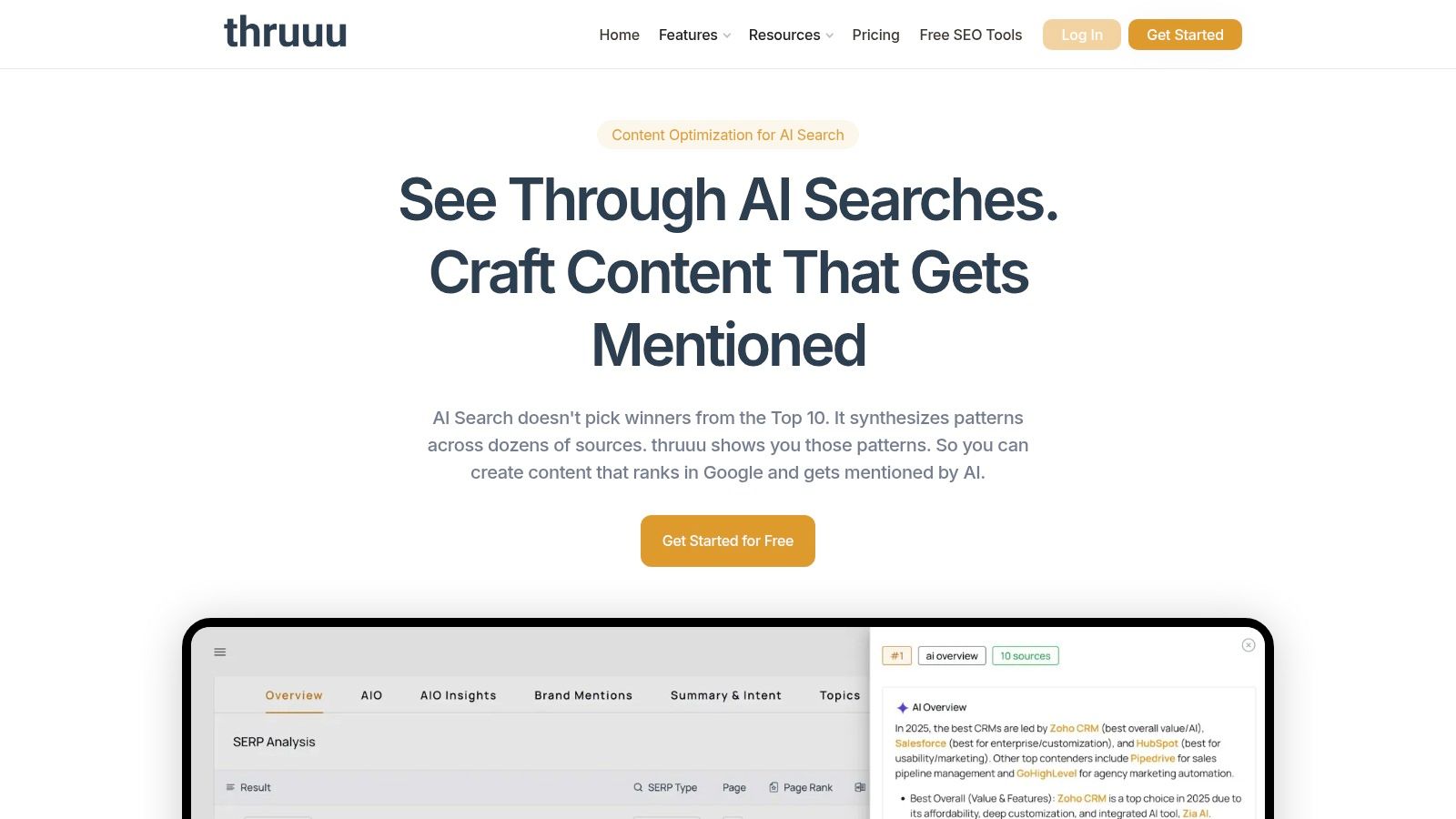
This tool excels at providing a clear, per-keyword snapshot. You can quickly track your brand mentions, see exactly which URLs are being cited as authoritative sources, and even measure the similarity between the AIO response and the top organic listings. With shareable links and easy data exports, it slots neatly into existing reporting workflows, providing concrete evidence of your AI search footprint without a steep learning curve or heavy platform investment.
The Good, The Bad, and The AI-Generated
What lands thruuu on the list of the best citation analysis options for optimizing AI search is its sheer practicality for keyword-level auditing. It doesn't try to be an all-encompassing GEO suite; instead, it does one thing exceptionally well: it gives you the raw data on AIO citations for the queries you care about, right now.
- Pros: Incredibly fast setup and ideal for periodic audits or generating client-ready reports. The side-by-side view of AIO content versus the classic SERP is a clear and actionable way to see what Google’s AI values.
- Cons: Its focus is almost exclusively on Google AI Overviews, so you won't get insights from other LLMs. Because it's a scraper-based tool, it can be sensitive to changes in Google's interface, which might cause temporary disruptions.
Link: thruuu
7. Nozzle
If you live and breathe SERP data, Nozzle is your microscope for the AI-powered era of Google. While other tools are just starting to acknowledge AI Overviews, Nozzle has integrated them as a core part of its enterprise-grade rank tracking. It’s less about broad LLM monitoring and more about surgically dissecting Google's AI-generated answers to quantify their exact impact on your visibility and traffic.
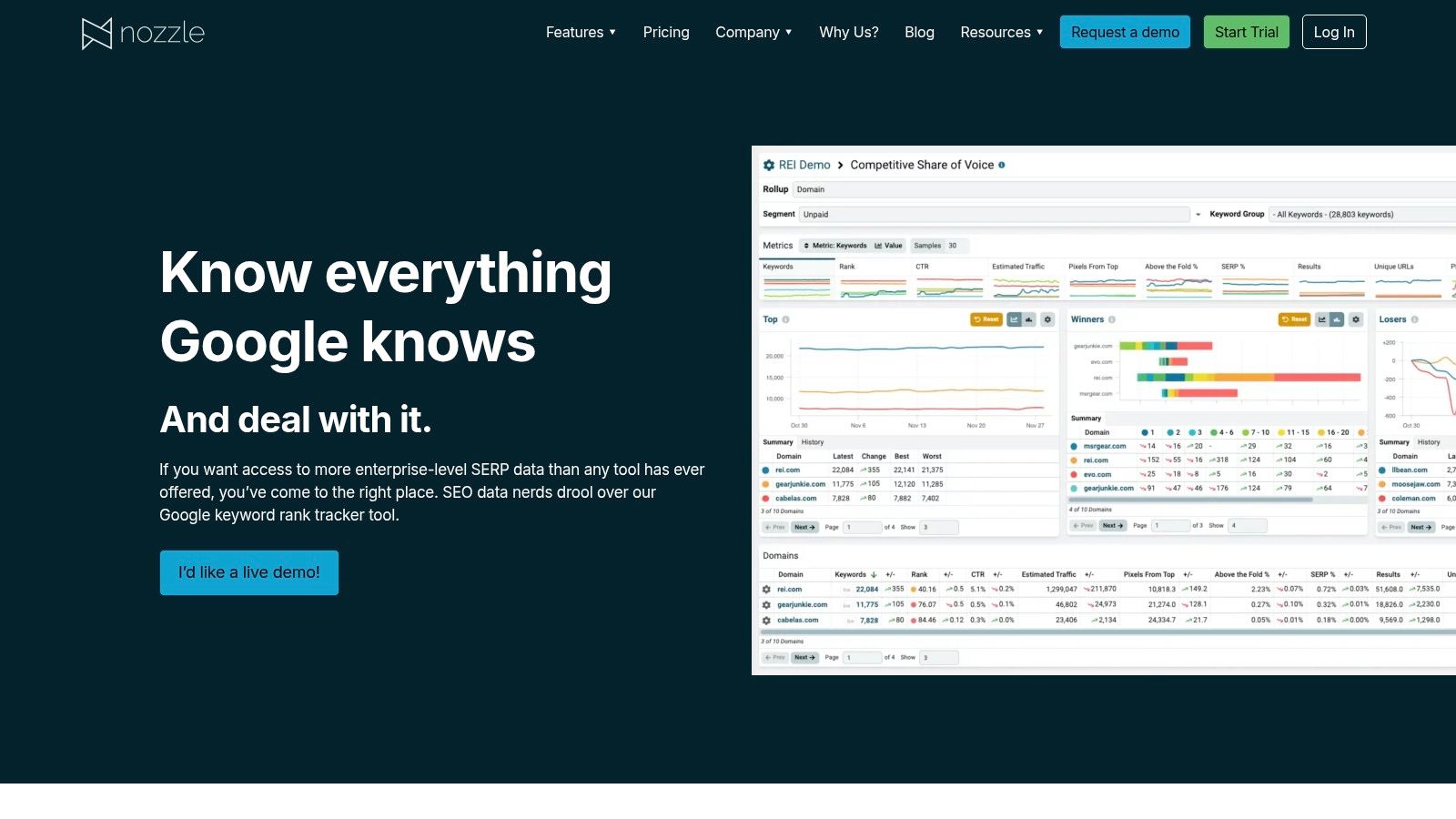
Nozzle’s superpower is its deep SERP telemetry. It doesn't just tell you if you're cited; it provides rich contextual data like pixel position and above-the-fold presence. This lets you see not just if you're in the AI Overview, but how much that placement is worth in terms of real estate. With historical SERP archiving, you can rewind time to see exactly how AIO's rollout affected your share of voice against competitors for key topics.
The Good, The Bad, and The AI-Generated
What lands Nozzle on this list of the best citation analysis options for optimizing AI search is its granular focus on quantifying the AIO threat and opportunity. It moves beyond simple rank tracking to offer true SERP intelligence. You can segment entire keyword groups by AIO presence, giving you a top-down view of where AI is eating your lunch and where you have an opening to score a citation.
- Pros: The sheer depth of Google SERP data is unmatched, providing rich context to measure the true impact of AI Overviews. Its flexible dashboards are excellent for rolling up brand vs. competitor citation performance.
- Cons: It’s hyper-focused on Google, so teams needing multi-LLM monitoring for platforms like Perplexity or ChatGPT will need another tool. Pricing is typically enterprise-level and requires a demo, making it less accessible for smaller teams.
Link: Nozzle
8. Brand24
While some tools analyze the AI’s final output, Brand24 takes a different, equally powerful approach: it eavesdrops on the conversations that train the AI. Think of it as a spy network for the entire internet, monitoring over 25 million sources from forums and social networks to blogs and news sites. It’s built for media listening but has brilliantly reframed its purpose for the AI era, helping you find the upstream signals that influence what an LLM ultimately learns and cites.
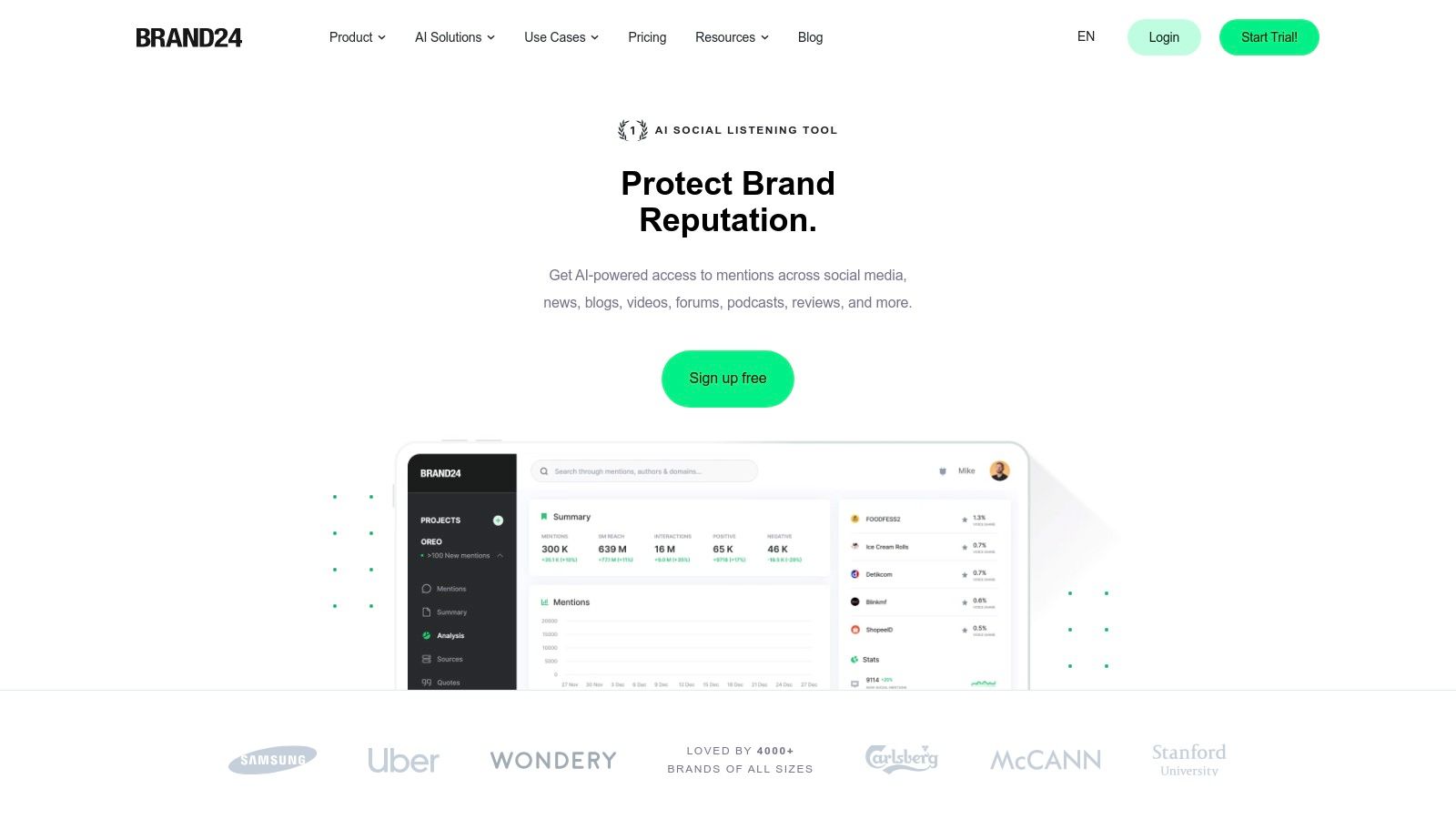
This platform excels at identifying where authentic, human conversations about your brand, competitors, or industry are happening. By setting up real-time alerts, you can pinpoint high-authority discussions on Reddit, influential posts on LinkedIn, or detailed forum threads that are prime real estate for Large Language Models. Instead of just chasing the final citation, Brand24 lets you get ahead of it by engaging with the very sources the AI is reading.
The Good, The Bad, and The AI-Generated
What makes Brand24 one of the best citation analysis options for optimizing AI search is its expansive coverage of user-generated content, which LLMs increasingly favor. The "AI Visibility" narrative helps you prioritize which mentions matter most, turning a massive firehose of data into a targeted action plan for influencing the AI's knowledge base from the ground up.
- Pros: Its massive source list, particularly strong in forums like Reddit and social platforms, gives you visibility into the raw material LLMs use. It's incredibly easy to set up and integrate into an existing GEO or PR workflow.
- Cons: It’s an upstream tool, meaning it doesn't track the final AI-generated answer itself. You're tracking the influencers of the answer, not the answer directly, which requires a slight strategic shift.
Link: Brand24
9. Meltwater
For enterprise PR and communications teams, the question isn't just what AI engines are citing, but who. Meltwater, a giant in media intelligence, extends its toolkit into the generative AI landscape with its GenAI Lens. This feature is less about granular SEO and more about connecting AI-generated narratives back to the specific journalists, outlets, and influencers who create the source material, turning AI monitoring into a high-powered media relations strategy.
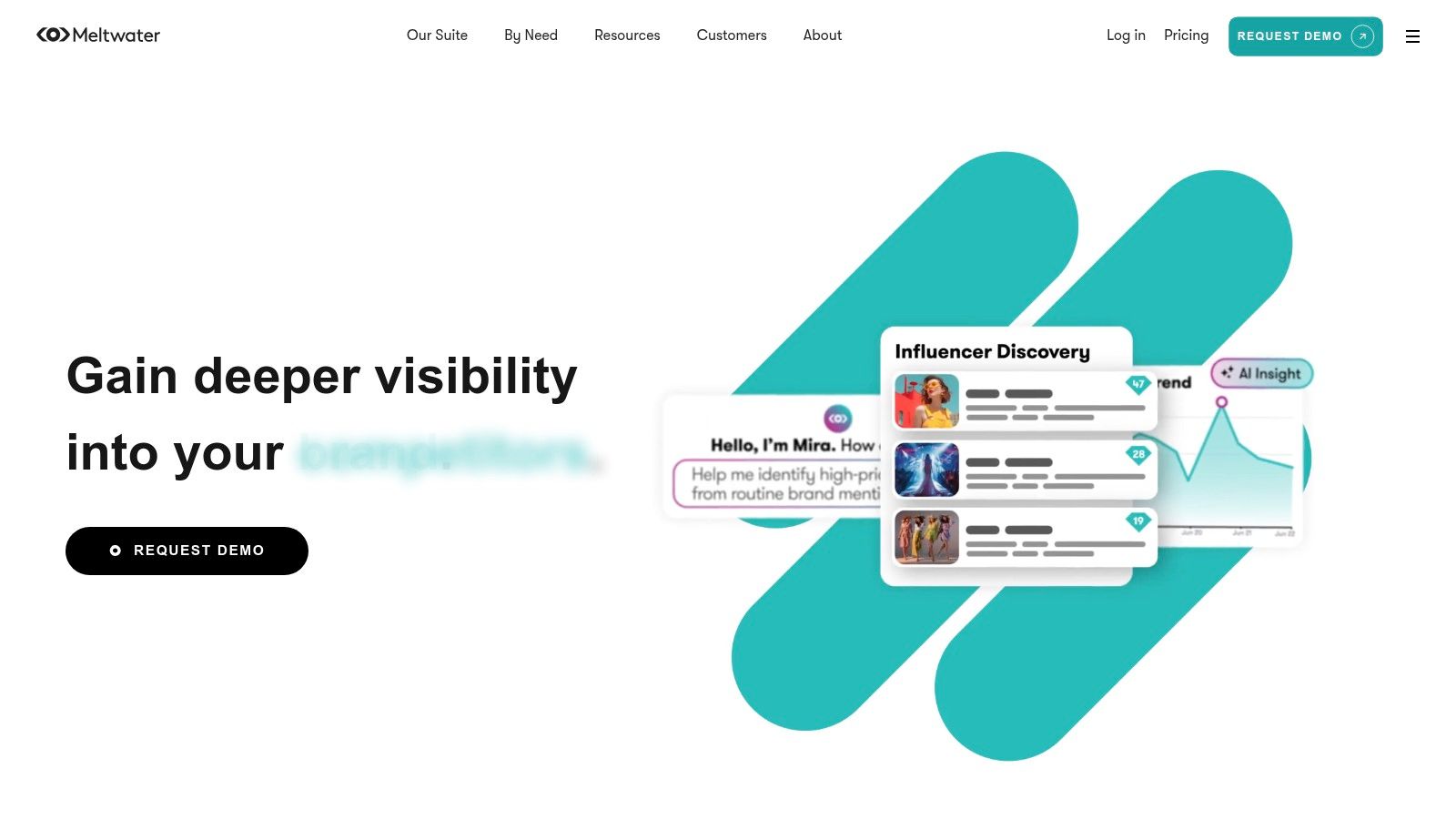
Meltwater monitors how major LLMs like ChatGPT, Gemini, and Claude portray a brand and meticulously identifies the sources behind the curtain. Its power lies in integrating this data directly into established communications workflows. You can see which publication an AI trusts on a topic, and then immediately access the platform's media lists and outreach tools to build a relationship with that source. It bridges the gap between AI citation analysis and tangible PR action.
The Good, The Bad, and The AI-Generated
What makes Meltwater one of the best citation analysis options for optimizing AI search is its seamless fit for corporate communications. It treats AI as a new, powerful media channel and equips teams to manage it with the same rigor they apply to traditional news and social media. The focus is on influencing the narrative at the source, not just optimizing a web page.
- Pros: Perfectly integrated for PR and comms workflows, linking AI-cited sources directly to journalist databases and outreach tools. It offers enterprise-grade support and governance for large, distributed teams.
- Cons: Access typically requires a sales demo and enterprise-level pricing, making it a significant investment. For smaller teams focused purely on SEO, the broader media intelligence suite might be overkill.
Link: Meltwater
10. Muck Rack
What if your brand is being misrepresented by an AI hallucination? Muck Rack, a household name in the PR world, has stepped into the ring with Generative Pulse, a feature designed to help communications teams manage their brand’s narrative in the age of AI. Instead of focusing on winning new citations, Muck Rack helps you audit and correct the ones that are already out there, especially when they’re wrong. It’s less about SEO and more about brand integrity.
This tool captures the exact AI-generated responses mentioning your brand and traces the URLs cited, giving you a clear paper trail. If an LLM is spreading misinformation, Generative Pulse connects you directly to Muck Rack’s extensive journalist and outlet database. This allows your team to conduct rapid outreach to the source publication, asking for a correction at the root of the problem and thereby fixing the AI’s flawed source material.
The Good, The Bad, and The AI-Generated
Muck Rack’s inclusion as one of the best citation analysis options for optimizing AI search stems from its unique PR-centric approach. It’s built for the crucial task of reputational defense. By tracking sentiment and providing clear evidence of AI outputs, it arms comms professionals with the data they need to protect their brand’s image when AI models get it wrong.
- Pros: It’s an essential tool for PR and communications teams tasked with managing AI-shaped narratives. The direct integration with its media database provides a powerful, seamless workflow for initiating corrections with source publications.
- Cons: The platform is heavily skewed toward PR and may lack the deep SEO and content optimization features other tools offer. Pricing is enterprise-level and typically requires a sales demo, making it less accessible for smaller teams or those with limited budgets.
Link: Muck Rack
11. Majestic
Before AI engines could even dream of citing sources, Majestic was already mapping the web's ecosystem of trust. While not a direct AI monitoring tool, Majestic is the seasoned veteran of link intelligence, offering critical data for predicting which sites an LLM is likely to trust. Its core strength lies in its proprietary metrics, Trust Flow and Topical Trust Flow, which measure a site's authority not just in general, but within specific subject areas. This is your secret weapon for a pre-emptive strike in Generative Engine Optimization.
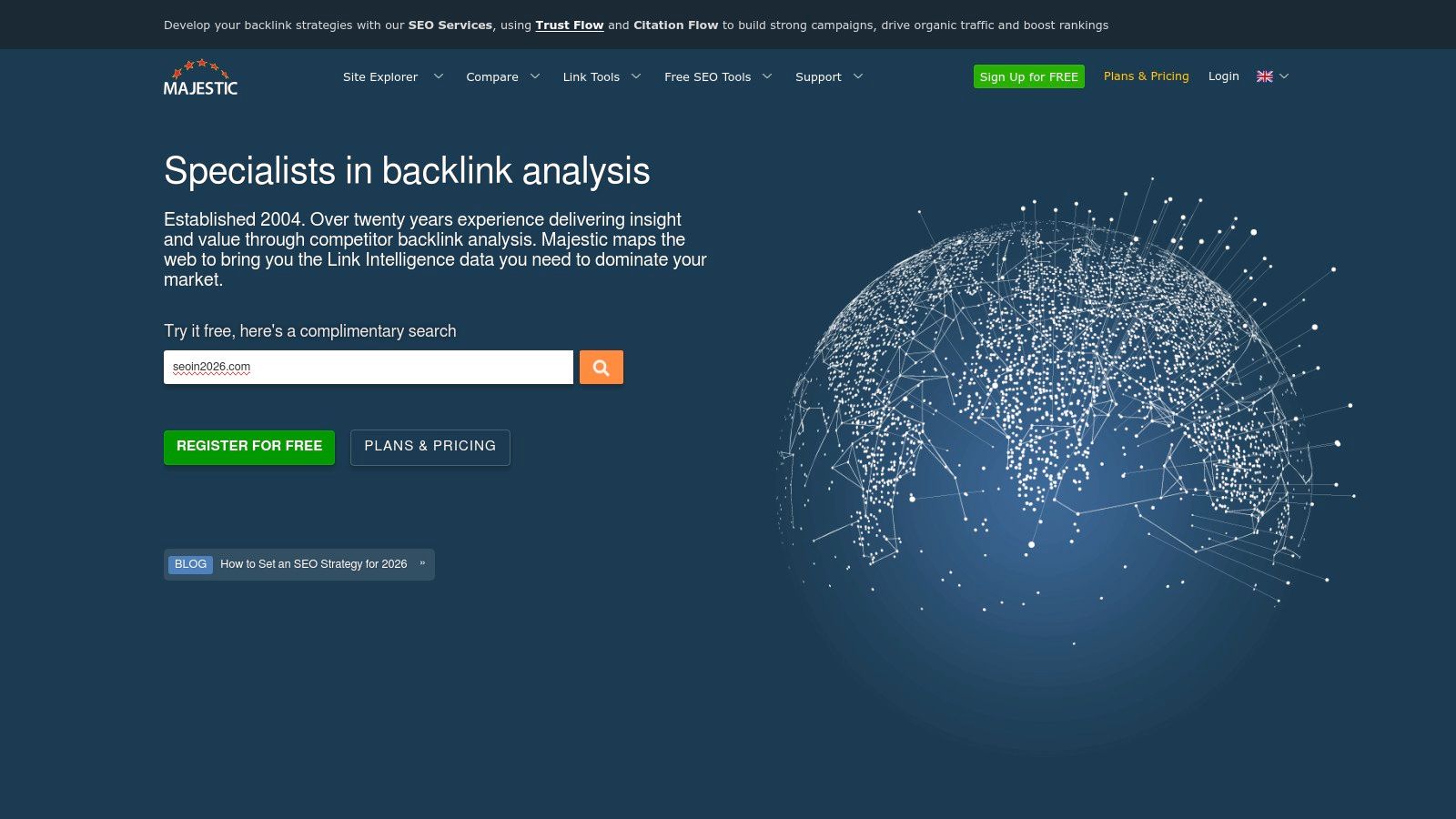
Think of it this way: AI engines are trained on massive datasets that mirror the existing web. Sites with high authority and strong topical relevance are already prime real estate. Majestic lets you reverse-engineer this trust network. You can analyze competitors, find high-authority domains in your niche that get AI citations, and then build a targeted outreach or digital PR strategy to earn placements on those same powerful sites. It’s less about chasing AI responses and more about building the foundational authority that attracts them naturally.
The Good, The Bad, and The AI-Generated
What lands Majestic on this list of the best citation analysis options for optimizing AI search is its predictive power. Instead of reacting to an AI citation you lost, you use Majestic's link graph and trust metrics to identify and secure placements on third-party sites that are highly likely to become AI-cited sources in the future. It’s a proactive, foundational strategy that complements real-time AI monitoring platforms perfectly.
- Pros: Its mature link data and proven Trust Flow metrics are invaluable for prioritizing outreach toward sites that AI engines are already conditioned to trust. The entry-level pricing is also very accessible for the quality of data provided.
- Cons: Majestic is not an AI monitoring tool; it does not directly track LLM answers or citations. Its interface also assumes a certain level of SEO and link-building experience, presenting a learning curve for newcomers.
Link: Majestic
12. Moz
While not a direct AI search monitor, Moz is the seasoned veteran your GEO strategy needs in its corner. Think of it as the foundational layer of trust-building. Generative engines, much like their traditional search counterparts, lean heavily on signals of authority and credibility. Moz’s legendary suite of tools, especially Link Explorer and its Domain Authority (DA) metric, provides the roadmap to earning the kind of high-value backlinks that AI models often interpret as a sign of trustworthiness.
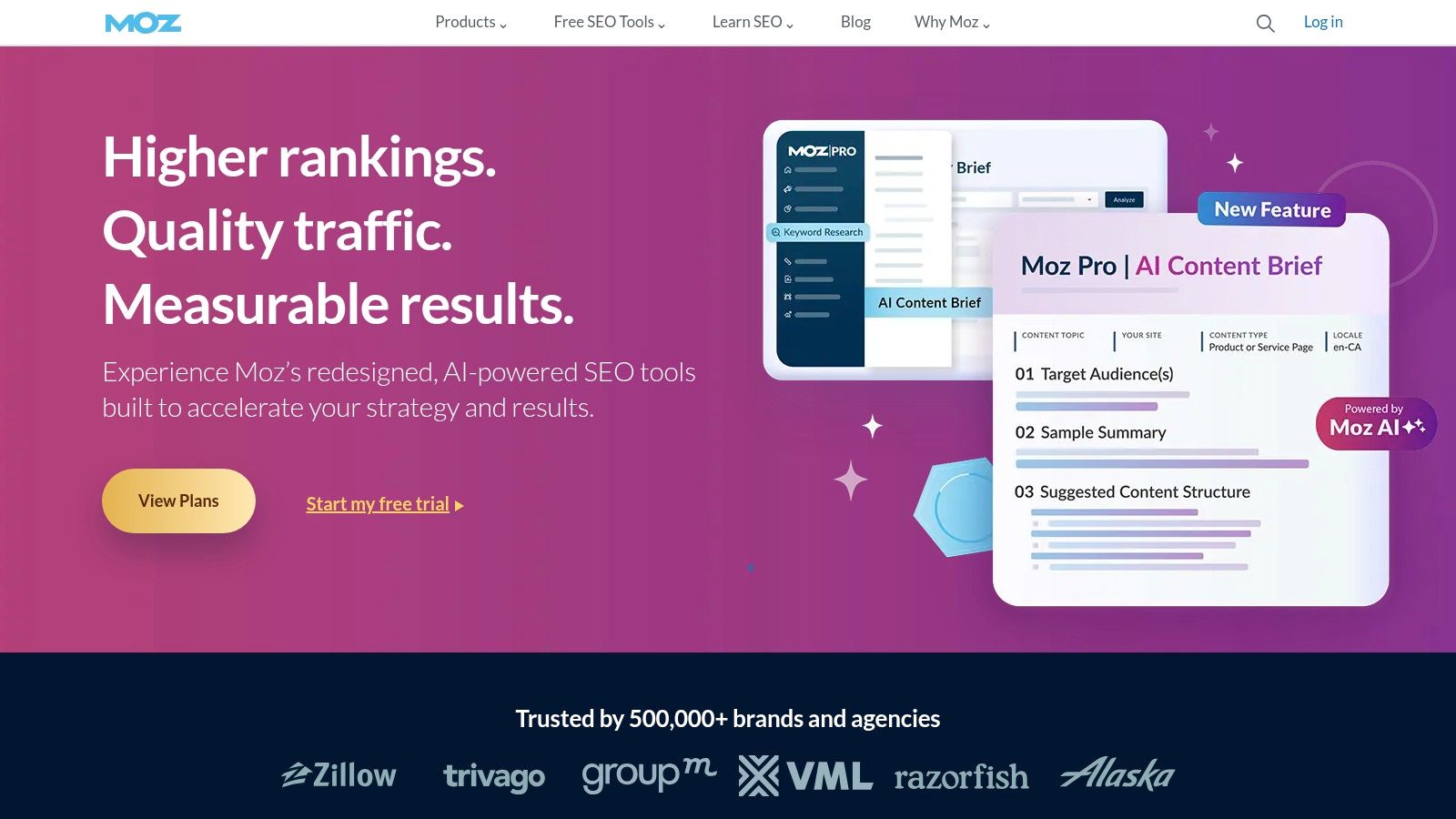
This platform excels at answering the crucial question: "Which websites should we get a mention from to boost our perceived authority?" You can dissect competitor backlink profiles to find high-authority domains that AI models already trust and then target them with your own outreach. Furthermore, its Site Crawl tool helps you eliminate technical gremlins like broken links or redirect chains that can erode an AI’s confidence in your content’s reliability.
The Good, The Bad, and The AI-Generated
What makes Moz one of the best citation analysis options for optimizing AI search is its role as an authority-building workhorse. It helps you prioritize outreach and fix technical issues, ensuring your domain is a trusted, citation-worthy source before an AI even considers it. Use it to build the strong foundation that dedicated GEO tools can then leverage for direct AI citation wins.
- Pros: It’s a familiar and powerful toolset for any team involved in content, SEO, or PR. The free tier offers great value for quick authority checks, and its API allows for integration with other analytics dashboards.
- Cons: Moz doesn’t track AI-generated answers directly; it’s a complementary tool focused on the foundational work of link authority. Pricing can also be a hurdle, so you’ll need to verify the current rates for the features your team requires.
Link: Moz
Top 12 Citation Analysis Tools for AI Search Optimization
| Product | Core coverage & monitoring ✨ | Unique selling points ✨ | Target audience 👥 | Pricing & value 💰 | Rating ★ |
|---|---|---|---|---|---|
| Kruxel 🏆 | Daily-refresh monitoring across ChatGPT, Claude, Perplexity, Google AI Overview + 12+ channels; exact AI responses & sentiment | ✨ GEO-first; rank-ready article generation; maps AI-trusted domains; competitor discovery; fixes in hours | 👥 SEO/growth marketers, agencies, CMOs, content/PR, e‑commerce/SaaS | 💰 Starter $89/mo → Pro $199/mo → Enterprise $499+/mo; scalable support | ★★★★★ |
| Semrush | AI Visibility Score, prompts tracking, cited-pages tied to site health | ✨ Integrates AI visibility into classic SEO audits & technical checks | 👥 SEO teams, in‑house marketers, agencies | 💰 Add-on license; tiered plans (some weekly/monthly data limits) | ★★★★☆ |
| Ahrefs | Cited domains/pages + research on overlap between rankings & AI citations | ✨ Data-rich backlink + citation research to guide GEO outreach | 👥 Research-led SEO teams, agencies | 💰 Subscription tiers; newer Brand Radar features may require higher plans | ★★★★☆ |
| Authoritas | Crawls AI UIs & APIs to detect Google AIOs, Bing Copilot, SearchGPT; SERP screenshots | ✨ Ground-truth SERP/AIO screenshots & exports for longitudinal evidence | 👥 Enterprise SEO teams, agencies needing audit trails | 💰 Quoted via sales; enterprise pricing | ★★★★ |
| thruuu | Scrapes Google AIOs; per-keyword AIO vs SERP similarity & exports | ✨ Fast setup for bulk keyword audits and client reporting | 👥 Agencies, consultants running many keywords | 💰 Affordable, self-serve plans; Google-focused | ★★★★ |
| Nozzle | AI Overview segmentation, historical SERP archiving, SOV by keyword/group | ✨ Deep SERP telemetry (pixels, above-the-fold) and unlimited tracking | 👥 Enterprise SEO teams tracking SERP impact | 💰 Demo/quote; enterprise pricing | ★★★★ |
| Brand24 | Real-time mentions across 25M+ sources with sentiment & alerts | ✨ Broad UGC/social coverage that surfaces upstream signals for LLMs | 👥 PR/brand teams, social teams, GEO programs | 💰 Tiered subscriptions; good entry-level value | ★★★ |
| Meltwater | Monitors LLM portrayals and cited outlets; ties to media lists & outreach | ✨ PR-centric GenAI Lens with journalist/source linkage | 👥 Communications, PR teams, large enterprises | 💰 Enterprise suite; sales/quote required | ★★★★ |
| Muck Rack | Captures exact LLM responses, cited URLs and sentiment; journalist integrations | ✨ Generative Pulse for PR verification & rapid corrections | 👥 PR teams and comms pros | 💰 Enterprise/quoted plans | ★★★★ |
| Majestic | Trust Flow & Topical Trust Flow; backlink graphs to prioritize outreach | ✨ Mature link authority metrics to score likely AI-cited sources | 👥 Link builders, outreach teams | 💰 Affordable entry tiers; proven value for link intel | ★★★ |
| Moz | Link Explorer, Domain/Page/Brand Authority + site crawl diagnostics | ✨ Familiar SEO toolkit to pursue authoritative placements that AIs cite | 👥 Content/PR teams, SEOs | 💰 Tiered plans; free/light checks available | ★★★★ |
Final Thoughts
And there you have it, our whirlwind tour of the digital toolbox for conquering the wild new frontier of AI search. We’ve journeyed from the all-encompassing ecosystems like Semrush and Ahrefs to the specialized SERP scalpels of thruuu and Nozzle, and even waded into the brand-monitoring waters with Brand24 and Meltwater. It’s a lot to take in, like trying to drink from a firehose made of APIs and algorithms.
The core lesson? The game has fundamentally changed. Winning in the age of generative AI isn't just about keywords and backlinks anymore; it’s about becoming a trusted, citable source in the machine's "mind." The battle for visibility has moved from a simple SERP ladder to a complex web of influence, where your brand's authority is currency.
Your AI Search Optimization Compass
Navigating this requires a new map. Instead of just asking "How do I rank?", the critical questions now are:
- "Where is the AI learning from?" Identifying the sources feeding models like ChatGPT and Gemini is your new ground zero.
- "How can I get my brand cited there?" This is the central challenge. It’s a mix of digital PR, content strategy, and data-driven outreach.
- "How do I measure my influence?" Tracking brand mentions, citations, and sentiment across these key sources becomes your new North Star metric.
The tools we've explored are the instruments you'll use to answer these questions. Some are classic SEO powerhouses adapting to the new reality, while others are purpose-built for this citation-centric world. The choice isn't about finding the single "best" tool, but about assembling the right stack for your specific mission.
Choosing Your Citation Analysis Weaponry
So, how do you pick your champion? It boils down to your starting point and your ultimate goal.
- For the All-in-One Strategist: If you're a CMO or agency lead needing a comprehensive view that blends traditional SEO with new-school citation tracking, giants like Semrush and Ahrefs are your go-to. They offer the breadth to manage the entire digital ecosystem, even if their AI-specific features are still evolving.
- For the Niche Digital PR Pro: If your world revolves around landing placements and tracking mentions, tools like Muck Rack and Meltwater are indispensable. They help you find the journalists and publications that can become your vectors into the AI's training data.
- For the Granular Data Scientist: For those who live and breathe SERP data, Nozzle and thruuu provide an unparalleled, microscopic view of who is being cited and why. They are the precision instruments for deconstructing AI-generated answers.
Ultimately, finding the best citation analysis options for optimizing AI search means adopting a mindset of relentless curiosity and experimentation. These platforms provide the data, but the winning strategy comes from your ability to interpret it, connect the dots, and execute a plan that makes your brand undeniably authoritative. The AI is listening, learning, and quoting. Your job is to make sure it's quoting you.
Ready to stop guessing and start strategically building your brand's authority for AI search? Kruxel is the only platform designed from the ground up to identify your AI citation gaps and provide a clear roadmap to becoming a trusted source. See how our specialized tools can help you dominate the next generation of search by visiting Kruxel and scheduling your demo today.